Franklin Templeton ETF Trust - Franklin FTSE India ETF Stock Value

Franklin Templeton ETF Trust - Franklin FTSE India ETF Company Info
EPS Growth 5Y
0,00%
Market Cap
$2,93 B
Long-Term Debt
$0,00 B
Short Interest
0,67%
Annual earnings
N/A
Dividend
$0,22
Dividend Yield
0,56%
Founded
2018
Industry
Country
ISIN Number
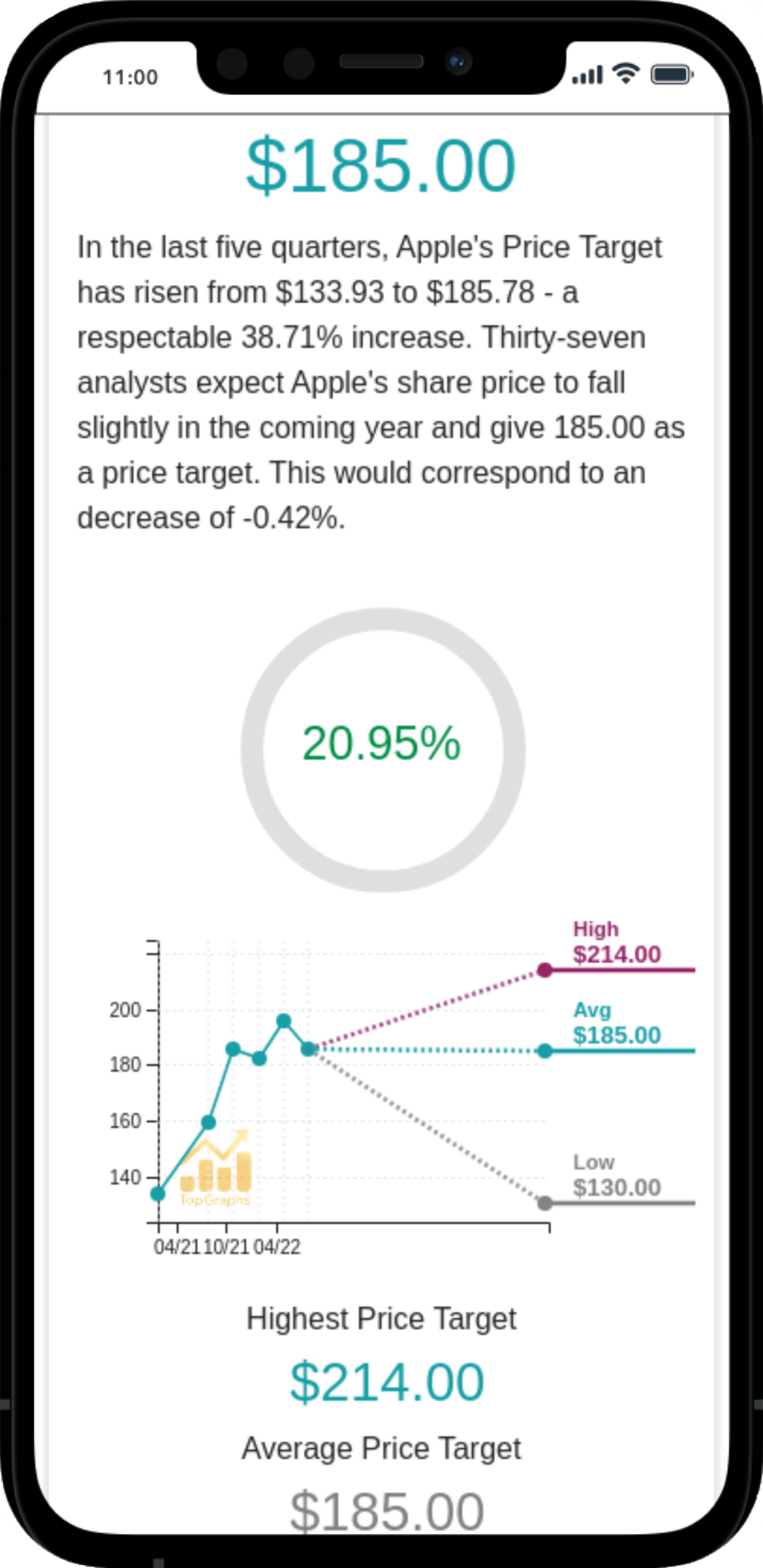
Analyst Price Target
There are currently no price targets available for this stock.
In the last five quarters, Franklin Templeton ETF Trust - Franklin FTSE India ETF’s Price Target has risen from $0,00 to $39,00 - a 100,00% increase.
Top growth stocks in the financials sector (5Y.)
Franklin Templeton ETF Trust - Franklin FTSE India ETF Questions and Answers
Which sectors generate sales and which are the top 3 markets?
Industry Distribution:
Finance: 25%
Information Technology: 20%
Consumer Goods: 15%
TOP 3 Markets:
India: 60%
USA: 20%
Europe: 10%
The Franklin FTSE India ETF (FLIN) focuses heavily on the Indian market, which is reflected in a high revenue share of 60%. The ETF mainly invests in companies from...
At which locations are the company’s products manufactured?
Franklin Templeton ETF Trust - Franklin FTSE India ETF (ARCA:FLIN) is an exchange-traded fund (ETF) and not a manufacturing company.
As an ETF, Franklin FTSE India ETF invests in a variety of Indian companies included in the FTSE India Capped Index. The fund itself does not produce physical products...
What strategy does Franklin Templeton ETF Trust - Franklin FTSE India ETF pursue for future growth?
Market Expansion: Focus on emerging markets, especially India
Diversification: Expansion of the ETF offering
Use of Technology: Utilization of data analytics and AI for better investment decisions
Franklin Templeton ETF Trust pursues a strategy with the Franklin FTSE India ETF that targets growth...
Which raw materials are imported and from which countries?
Main Imported Raw Materials: Crude oil, precious metals, machinery
Main Supplier Countries: Saudi Arabia, United Arab Emirates, Switzerland, China
The Franklin FTSE India ETF (FLIN) invests in Indian companies that heavily rely on imports. India mainly imports crude oil, which is essential for its e...
How strong is the company’s competitive advantage?
Market share: Estimated 5-7% (2026, based on ETF market shares in emerging markets)
Expense ratio: 0.19% (2023)
Performance (3 years): 8.5% p.a. (until 2023)
The Franklin FTSE India ETF (FLIN) has a moderate competitive advantage in the emerging markets ETF sector, especially due to its focus on the...
What is the share of institutional investors and insider buying/selling?
Institutional Investor Ownership: 65% (estimated for 2026)
Insider Buys/Sells: No significant insider transactions reported (2026)
The Franklin FTSE India ETF (ARCA:FLIN) is popular among institutional investors, as reflected in an estimated ownership of around 65%. This high participation indicates...
What percentage market share does Franklin Templeton ETF Trust - Franklin FTSE India ETF have?
Market share of Franklin FTSE India ETF (FLIN): Estimated around 4% (2026)
Top competitors and market shares:
iShares MSCI India ETF (INDA): around 25%
WisdomTree India Earnings Fund (EPI): around 15%
VanEck Vectors India Growth Leaders ETF (GLIN): around 10%
Invesco India ETF (PIN): around 8%
Firs...
Is Franklin Templeton ETF Trust - Franklin FTSE India ETF stock currently a good investment?
Market Volatility in India: Moderate to high (2026)
Economic Growth in India: 6.5% (estimated for 2026)
Sector Focus: Technology, Consumer Goods, Financial Services
The Franklin FTSE India ETF (FLIN) provides investors with access to a variety of Indian companies operating in different sectors. Indi...
Does Franklin Templeton ETF Trust - Franklin FTSE India ETF pay a dividend – and how reliable is the payout?
Dividend yield: 1.2% (estimated for 2026)
The Franklin FTSE India ETF (FLIN) has distributed dividends in the past, but dividend payments in ETFs investing in emerging markets like India are often less stable than in ETFs investing in developed markets. This is due to the volatility of the underlyin...