Digi Communications N.V. Stock Value


Digi Communications N.V. Company Info
EPS Growth 5Y
14,27%
Market Cap
lei11,42 B
Long-Term Debt
lei5,89 B
Annual earnings
02/27/2026
Dividend
lei1,36
Dividend Yield
1,14%
Founded
1992
Industry
Country
Website
ISIN Number
Analyst Price Target
lei89,96
-24.66%
Last Update: 01/11/2026
Analysts: 5
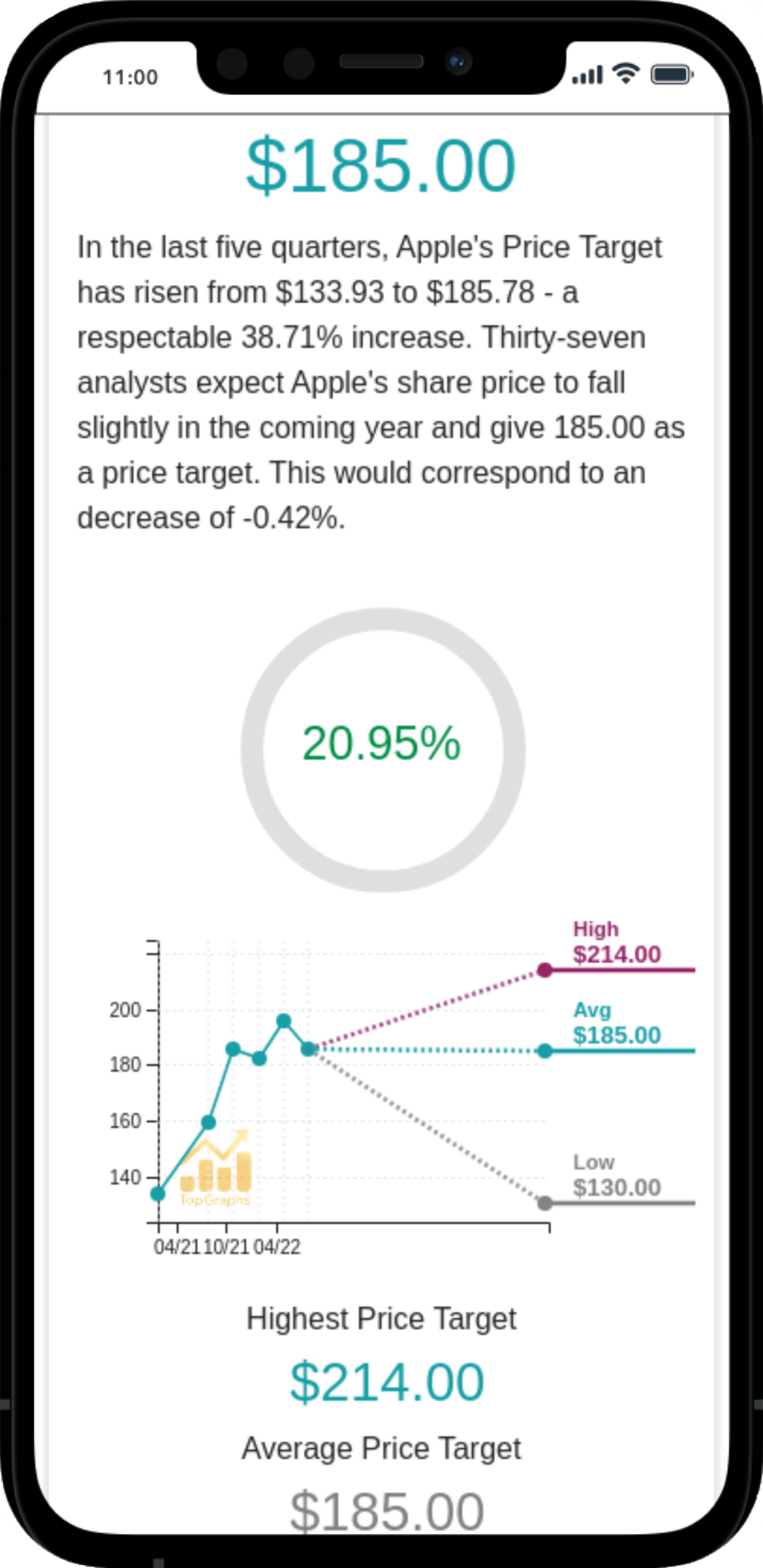
Highest Price Target lei110,08
Average Price Target lei89,96
Lowest Price Target lei82,03
In the last five quarters, Digi Communications N.V.’s Price Target has risen from lei56,90 to lei83,77 - a 47,22% increase. Three analysts predict that Digi Communications N.V.’s share price will fall in the coming year, reaching lei89,96. This would represent a decrease of -24,66%.
Top growth stocks in the communication services sector (5Y.)
Digi Communications N.V. Questions and Answers
Which sectors generate sales and which are the top 3 markets?
Industry Revenues:
Telecommunication: approx. 70%
Media and Entertainment: approx. 20%
IT Services: approx. 10%
TOP 3 Markets:
Romania: approx. 50%
Hungary: approx. 30%
Spain: approx. 15%
Digi Communications N.V. generates the majority of its revenues from the telecommunications industry, with a...
At which locations are the company’s products manufactured?
Production Sites: Mainly in Romania
Digi Communications N.V. is a leading telecommunications company in Romania and has its main production and operational facilities in this country. The company focuses on providing telecommunications services such as internet, mobile telephony, and cable televisio...
What strategy does Digi Communications N.V. pursue for future growth?
Revenue Growth: 10.5% (2025)
Market Expansion: Focus on Western Europe and Asia (2026)
Technology Investments: Increase by 20% (2025)
Digi Communications N.V. is pursuing a growth strategy that focuses on geographical expansion and technological innovation. The company plans to strengthen its presen...
Which raw materials are imported and from which countries?
Main Imported Raw Materials/Components: Electronic components, network hardware
Countries of Origin: China, Taiwan, South Korea
Digi Communications N.V. is a telecommunications company mainly engaged in providing internet and mobile services. For the operation of its network infrastructure, the comp...
How strong is the company’s competitive advantage?
Market share in Romania: approximately 50% (estimated for 2026)
Revenue growth: 10% (estimated for 2026)
EBITDA margin: 30% (estimated for 2026)
Digi Communications N.V. has a significant competitive advantage, especially in Romania, where it holds a dominant market share of about 50%. This enables...
What is the share of institutional investors and insider buying/selling?
Institutional Investor Share: Estimated at about 45% (2026)
Insider Buys/Sells: No significant transactions in the last year (2026)
The institutional investor share in Digi Communications N.V. is approximately 45%, indicating strong interest from investment funds and other major financial institutio...
What percentage market share does Digi Communications N.V. have?
Market share of Digi Communications N.V.: 18% (2026, estimated)
Main competitors and their market shares:
Orange S.A.: 25%
Vodafone Group: 22%
Telekom Romania: 15%
RCS & RDS: 10%
UPC Romania: 8%
Moat of Digi Communications N.V.:
Digi Communications N.V. has secured a solid market share through...
Is Digi Communications N.V. stock currently a good investment?
Revenue Growth: 8.5% (2025)
EBITDA Margin: 32% (2025)
Net Debt/EBITDA: 2.1x (2025)
Digi Communications N.V. recorded a revenue growth of 8.5% in 2025, attributed to solid demand in its core markets and successful expansions. The EBITDA margin of 32% indicates that the company operates efficiently an...
Does Digi Communications N.V. pay a dividend – and how reliable is the payout?
Dividend payment: No dividend (2026)
Digi Communications N.V. has not paid any dividends in recent years. The company has focused on reinvesting its profits into the growth and expansion of its business activities, particularly in the telecommunications and digital services sectors.
The reliability...