Dabur India Stock Value


Dabur India Company Info
EPS Growth 5Y
2,91%
Market Cap
Rp889,95 B
Long-Term Debt
Rp5,36 B
Quarterly earnings
01/28/2026 (E)
Dividend
Rp7,98
Dividend Yield
1,59%
Founded
1884
Industry
Country
Website
ISIN Number
Website
Analyst Price Target
Rp540,00
7.62%
Last Update: 12/13/2025
Analysts: 39
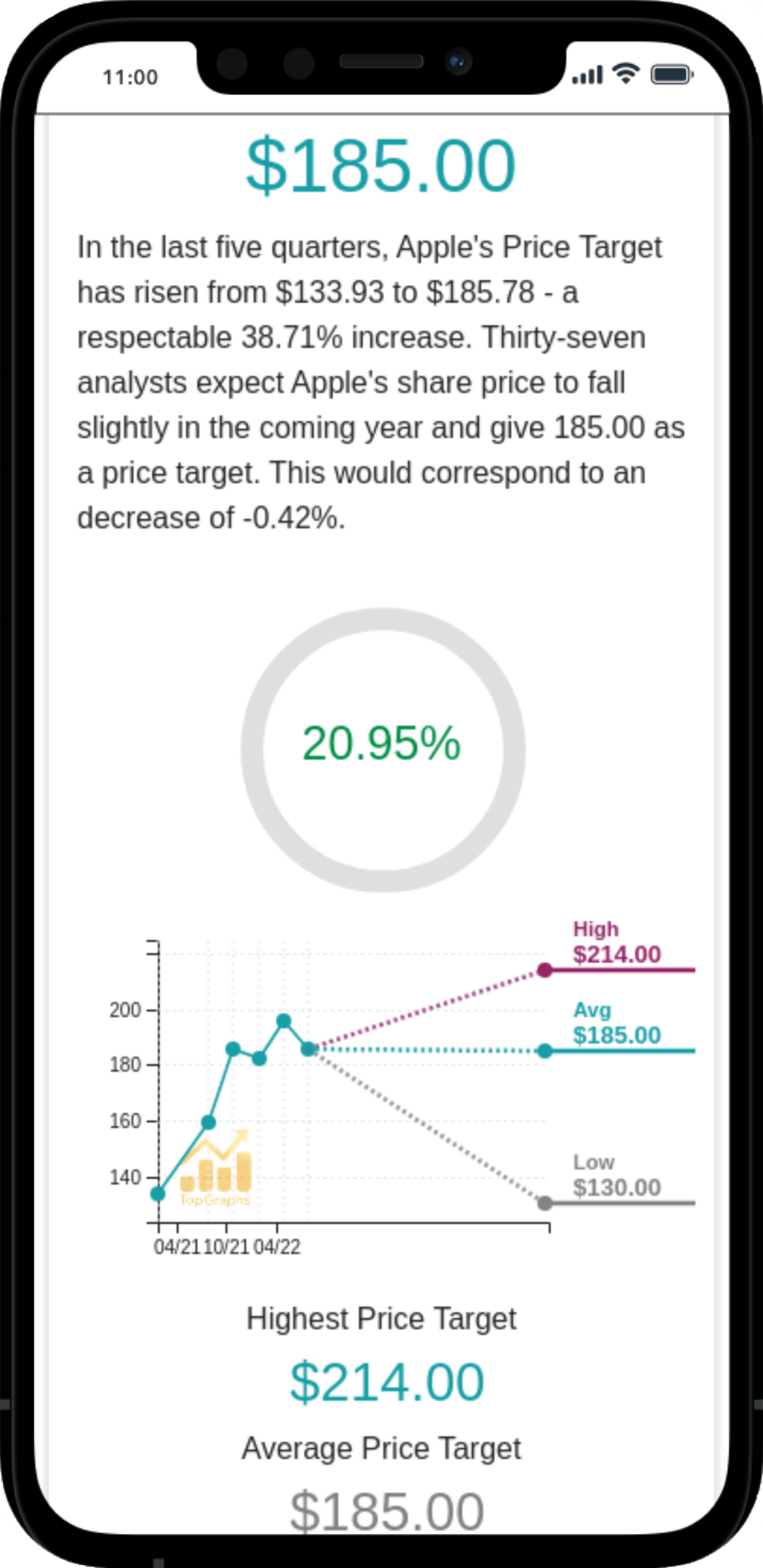
Highest Price Target Rp625,00
Average Price Target Rp540,00
Lowest Price Target Rp400,00
In the last five quarters, Dabur India’s Price Target has fallen from Rp658,61 to Rp598,22 - a -9,17% decrease. Thirty Seven analysts predict that Dabur India’s share price will increase in the coming year, reaching Rp540,00. This would represent an increase of 7,62%.
Top growth stocks in the consumer staples sector (5Y.)
Dabur India Questions and Answers
Which sectors generate sales and which are the top 3 markets?
Revenue distribution by sectors:
FMCG (Fast Moving Consumer Goods): approx. 85%
Healthcare: approx. 10%
Other segments: approx. 5%
TOP 3 markets and their percentage shares:
India: approx. 65%
Middle East and North Africa (MENA): approx. 15%
North America: approx. 10%
Dabur India Limited generat...
At which locations are the company’s products manufactured?
Production Sites of Dabur India Limited:
Dabur India Limited operates several production facilities in India and internationally. The key locations in India include:
Baddi, Himachal Pradesh
Pantnagar, Uttarakhand
Kailash, Rajasthan
Alwar, Rajasthan
Tezpur, Assam
Internationally, Dabur has producti...
What strategy does Dabur India pursue for future growth?
Revenue Growth: Estimated at 10-12% annually (based on historical data and market trends until 2023)
Profit Margin: Estimated to remain stable at 15-18% (based on historical data and market trends until 2023)
Dabur India Limited is pursuing a multi-pronged growth strategy that includes both organic...
Which raw materials are imported and from which countries?
Main Imported Raw Materials: Raw materials for ayurvedic products, herbs, packaging materials
Countries of Origin:
Herbs and ayurvedic raw materials: India, Sri Lanka, Nepal
Packaging materials: China, Germany
Dabur India Limited imports a variety of raw materials necessary for the production of t...
How strong is the company’s competitive advantage?
Market share in the FMCG sector: 5.6% (2024)
EBITDA margin: 21.4% (2024)
Dabur India Limited has a significant competitive advantage in the Indian FMCG market, especially due to its strong brand presence and extensive product portfolio in the Ayurveda and natural products segments. The company benef...
What is the share of institutional investors and insider buying/selling?
Institutional Investor Share: approximately 30% (estimated for 2025 based on previous trends)
Insider Purchases/Sales: No significant transactions in the last year (estimated for 2025)
The institutional investor share in Dabur India Limited typically stands at around 30%, based on historical data an...
What percentage market share does Dabur India have?
Market share of Dabur India Limited: Estimated 5-7% (2025)
Main competitors and their market shares:
Hindustan Unilever Limited: 15-20%
ITC Limited: 10-12%
Nestlé India: 8-10%
Patanjali Ayurved: 6-8%
Godrej Consumer Products: 5-7%
Marico Limited: 4-6%
Emami Limited: 3-5%
Colgate-Palmolive India: 3-...
Is Dabur India stock currently a good investment?
Revenue Growth: 10% (2024)
Profit Growth: 8% (2024)
Market Share in the FMCG Sector: 5% (2024)
Dabur India Limited recorded a revenue growth of 10% in 2024, attributed to strong demand for their consumer goods products. The company has continuously expanded its product range and invested in new mark...
Does Dabur India pay a dividend – and how reliable is the payout?
Dividend yield: 1.5% (estimated for 2025)
Dividend history: Continuous payout over the last 5 years
Dabur India Limited has regularly distributed dividends in recent years. The dividend yield is estimated to be 1.5% for the year 2025. This indicates that the company follows a stable dividend policy....