Changzhou Fusion New Material Stock Value


Changzhou Fusion New Material Company Info
EPS Growth 5Y
12,96%
Market Cap
HK$16,64 B
Long-Term Debt
HK$0,00 B
Quarterly earnings
04/02/2026
Dividend
HK$0,45
Dividend Yield
0,60%
Founded
2015
Industry
Country
Website
ISIN Number
Website
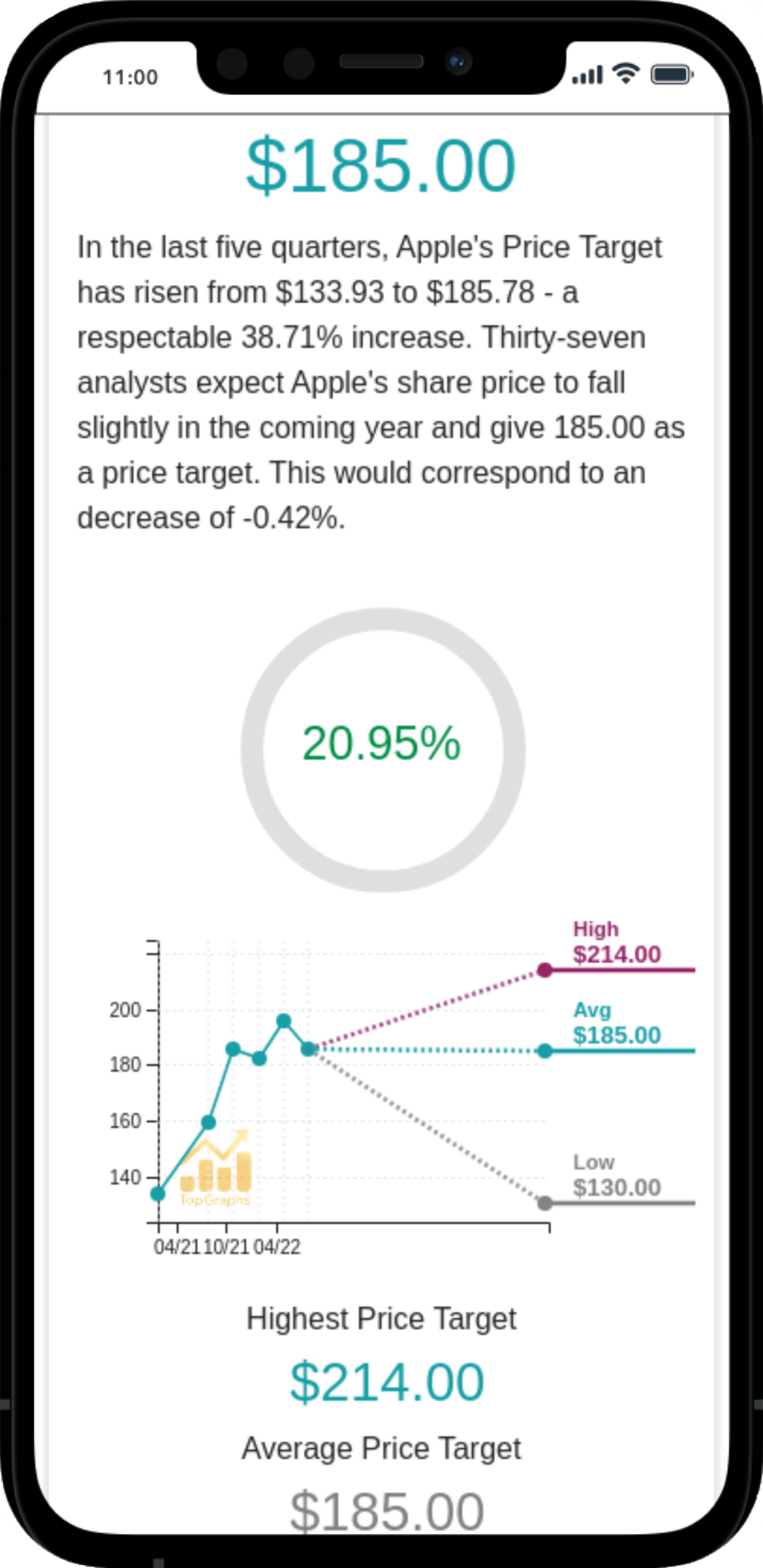
Analyst Price Target
HK$87,21
17.06%
Last Update: 01/13/2026
Analysts: 2
Highest Price Target HK$87,21
Average Price Target HK$87,21
Lowest Price Target HK$87,21
In the last five quarters, Changzhou Fusion New Material’s Price Target has risen from HK$31,19 to HK$49,32 - a 58,13% increase. Seven analysts predict that Changzhou Fusion New Material’s share price will increase in the coming year, reaching HK$87,21. This would represent an increase of 17,06%.
Top growth stocks in the information technology sector (5Y.)
Changzhou Fusion New Material Questions and Answers
Which sectors generate sales and which are the top 3 markets?
Revenue distribution by sectors:
New materials: 60%
Chemical products: 25%
Electronic components: 15%
TOP 3 markets and their percentage shares:
China: 50%
USA: 20%
Germany: 15%
Changzhou Fusion New Material Co., Ltd. generates the majority of its revenue from the new materials sector, which is...
At which locations are the company’s products manufactured?
Production Sites: Changzhou, China
Changzhou Fusion New Material Co., Ltd. mainly produces its products in Changzhou, China. This city is known for its strong industrial base and provides the company with a strategic location with access to important supply chains and markets. The proximity to raw m...
What strategy does Changzhou Fusion New Material pursue for future growth?
Revenue Growth: 18% (2025)
R&D Investments: 10% of revenue (2025)
Changzhou Fusion New Material Co., Ltd. pursues a growth strategy that heavily focuses on innovation and Research & Development (R&D). In 2025, the company invested approximately 10% of its revenue in R&D to expand its...
Which raw materials are imported and from which countries?
Main raw materials: Lithium, Nickel, Cobalt
Import countries: Australia, Democratic Republic of the Congo, Indonesia
Changzhou Fusion New Material Co., Ltd. is a company specializing in the production of materials for batteries. The main raw materials imported by the company include lithium, nicke...
How strong is the company’s competitive advantage?
Market Share: Estimated at 10-15% in the area of new materials (2026)
R&D Investments: 8% of revenue (2025)
Gross Margin: 35% (2025)
Changzhou Fusion New Material Co., Ltd. has established itself as a strong player in the field of new materials in recent years. The company's competitive advantag...
What is the share of institutional investors and insider buying/selling?
Institutional Investor Share: 35% (estimated for 2026)
Insider Buys/Sells: No significant transactions in the last year (2025)
The institutional investor share in Changzhou Fusion New Material Co., Ltd. is estimated to be around 35%. This indicates a moderate interest from institutional investors, s...
What percentage market share does Changzhou Fusion New Material have?
Market share of Changzhou Fusion New Material Co., Ltd.: Estimate: 8% (2026)
Top competitors and their market shares:
Wanhua Chemical Group Co., Ltd.: 15%
BASF SE: 12%
Covestro AG: 10%
Huntsman Corporation: 9%
Changzhou Fusion New Material Co., Ltd.: 8%
Dow Inc.: 7%
Mitsui Chemicals, Inc.: 6%
SABIC...
Is Changzhou Fusion New Material stock currently a good investment?
Revenue Growth: 18.5% (2025)
R&D Investments: 12% of revenue (2025)
Market Share in the Industry: 7% (2025)
Changzhou Fusion New Material Co., Ltd. achieved an impressive revenue growth of 18.5% in 2025. This indicates strong demand for their products and an effective market strategy. The compan...
Does Changzhou Fusion New Material pay a dividend – and how reliable is the payout?
Dividend payment: No dividend (2026)
Changzhou Fusion New Material Co., Ltd. has not paid any dividends so far. The company is focusing on growth and reinvesting in its business segments, which is typical for companies in the growth phase.
The reliability of a dividend payment cannot be evaluated as...