Beijing Yanjing Brewery Stock Value


Beijing Yanjing Brewery Company Info
EPS Growth 5Y
39,51%
Market Cap
¥33,94 B
Long-Term Debt
¥0,10 B
Quarterly earnings
04/23/2026
Dividend
¥0,19
Dividend Yield
1,58%
Founded
1997
Industry
Country
Website
ISIN Number
Website
Analyst Price Target
¥14,00
17.15%
Last Update: 12/24/2025
Analysts: 7
Highest Price Target ¥16,75
Average Price Target ¥14,00
Lowest Price Target ¥10,80
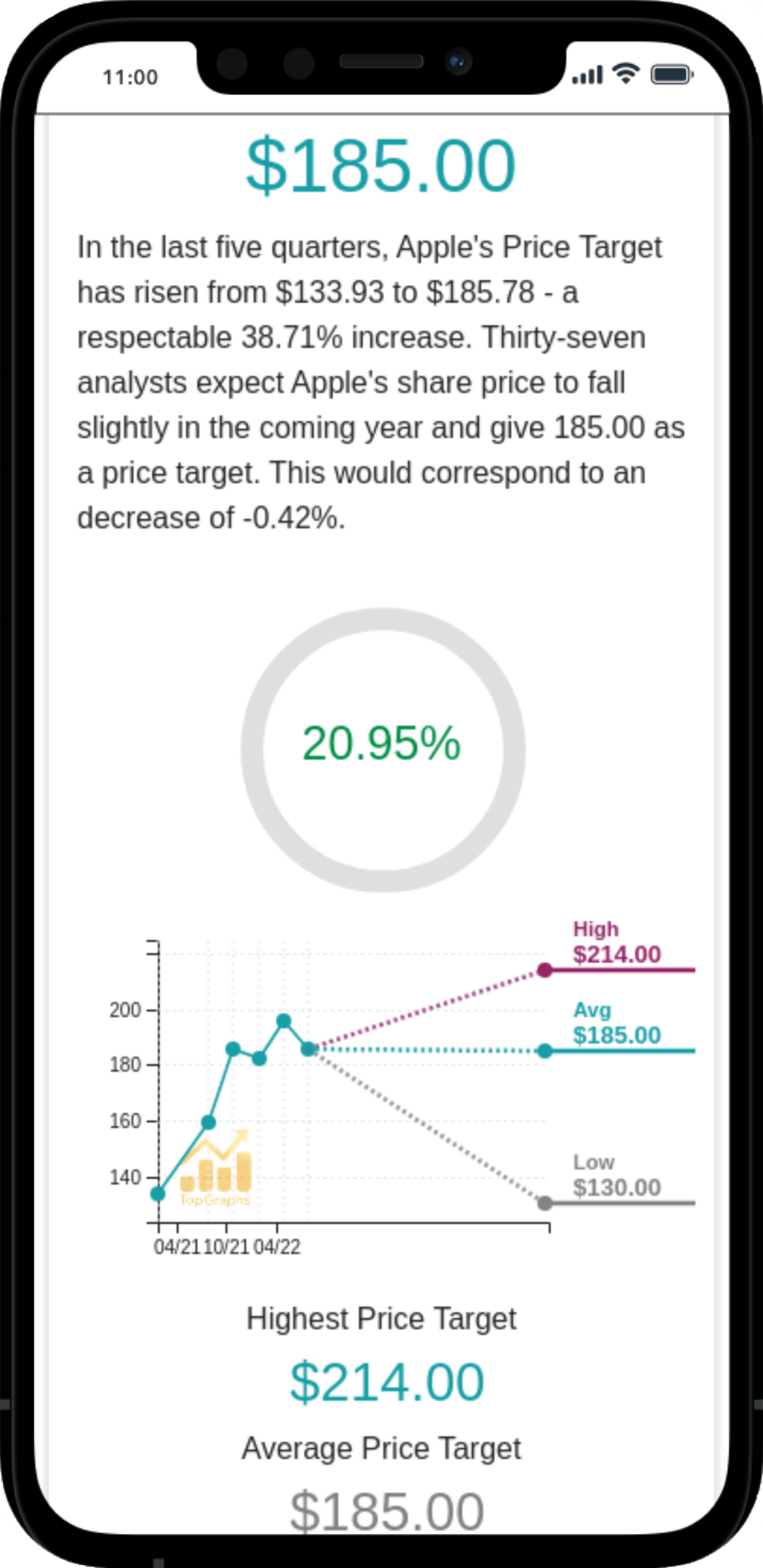
In the last five quarters, Beijing Yanjing Brewery’s Price Target has risen from ¥9,32 to ¥12,24 - a 31,33% increase. Twelve analysts predict that Beijing Yanjing Brewery’s share price will increase in the coming year, reaching ¥14,00. This would represent an increase of 17,15%.
Top growth stocks in the consumer staples sector (5Y.)
Beijing Yanjing Brewery Questions and Answers
Which sectors generate sales and which are the top 3 markets?
Revenue distribution by industry:
Beverage industry: 100%
TOP 3 markets and their percentage shares:
China: approx. 85%
Southeast Asia: approx. 8%
North America: approx. 4%
Beijing Yanjing Brewery Co., Ltd. generates the majority of its revenue from the beverage industry, particularly from beer...
At which locations are the company’s products manufactured?
Production Sites: More than 30 breweries throughout China (as of 2023)
Beijing Yanjing Brewery Co., Ltd. is one of the largest beer producers in China, operating over 30 breweries across the country. The main production facility is located in the capital city of Beijing. Additionally, the company ha...
What strategy does Beijing Yanjing Brewery pursue for future growth?
Revenue Growth: Estimated at 5-7% annually (2025-2027)
Market Expansion: Focus on international markets, especially Southeast Asia
Product Innovation: Introduction of new premium and alcohol-free products
Beijing Yanjing Brewery Co., Ltd. is pursuing a multi-pronged growth strategy to strengthen its...
Which raw materials are imported and from which countries?
Imported raw materials: Barley, hops
Main supplying countries: Australia, Canada, USA
Beijing Yanjing Brewery Co., Ltd. mainly imports barley and hops, which are essential raw materials for beer production. Australia is one of the largest suppliers of barley, known for its high-quality brewing barle...
How strong is the company’s competitive advantage?
Market share in China: approx. 10% (2024)
Industry position: Top 5 breweries in China (2024)
Revenue growth: 8% (2024)
Beijing Yanjing Brewery Co., Ltd. is one of the leading breweries in China and ranks among the top 5 in the country. With a market share of around 10% in 2024, the company holds a s...
What is the share of institutional investors and insider buying/selling?
Institutional Investor Share: Estimated at 25% (2025)
Insider Buys/Sells: No significant transactions in the last year (2024)
The institutional investor share in Beijing Yanjing Brewery Co., Ltd. is approximately 25%, indicating that a quarter of the shares are held by institutional investors. This...
What percentage market share does Beijing Yanjing Brewery have?
Market share of Beijing Yanjing Brewery Co., Ltd.: 10% (estimated for 2025)
Top competitors and their estimated market shares (2025):
China Resources Beer (Holdings) Co. Ltd.: 25%
Tsingtao Brewery Group: 20%
Anheuser-Busch InBev (China): 15%
Beijing Yanjing Brewery Co., Ltd.: 10%
Carlsberg Group (C...
Is Beijing Yanjing Brewery stock currently a good investment?
Revenue Growth: 8.5% (2024)
Profit Growth: 6.2% (2024)
Market Share in China: 10% (2024)
Beijing Yanjing Brewery Co., Ltd. recorded solid revenue growth of 8.5% in 2024, attributed to strong demand for its products and an effective distribution strategy. The 6.2% profit growth indicates the company'...
Does Beijing Yanjing Brewery pay a dividend – and how reliable is the payout?
Dividend Yield: 2.5% (estimated for 2025)
Beijing Yanjing Brewery Co., Ltd. has regularly paid dividends in the past. The company's dividend policy tends towards stability, with payouts having remained relatively constant in recent years.
The reliability of dividend payments depends on several facto...