Tokyo Electric Power Company Holdings Stock Value


Tokyo Electric Power Company Holdings Company Info
EPS Growth 5Y
26,04%
Market Cap
¥1.028,69 B
Long-Term Debt
¥3.300,40 B
Quarterly earnings
01/30/2026
Dividend
¥0,00
Dividend Yield
0,00%
Founded
1951
Industry
Country
ISIN Number
Analyst Price Target
¥433,00
-31.97%
Last Update: 12/19/2025
Analysts: 3
Highest Price Target ¥450,00
Average Price Target ¥433,00
Lowest Price Target ¥280,00
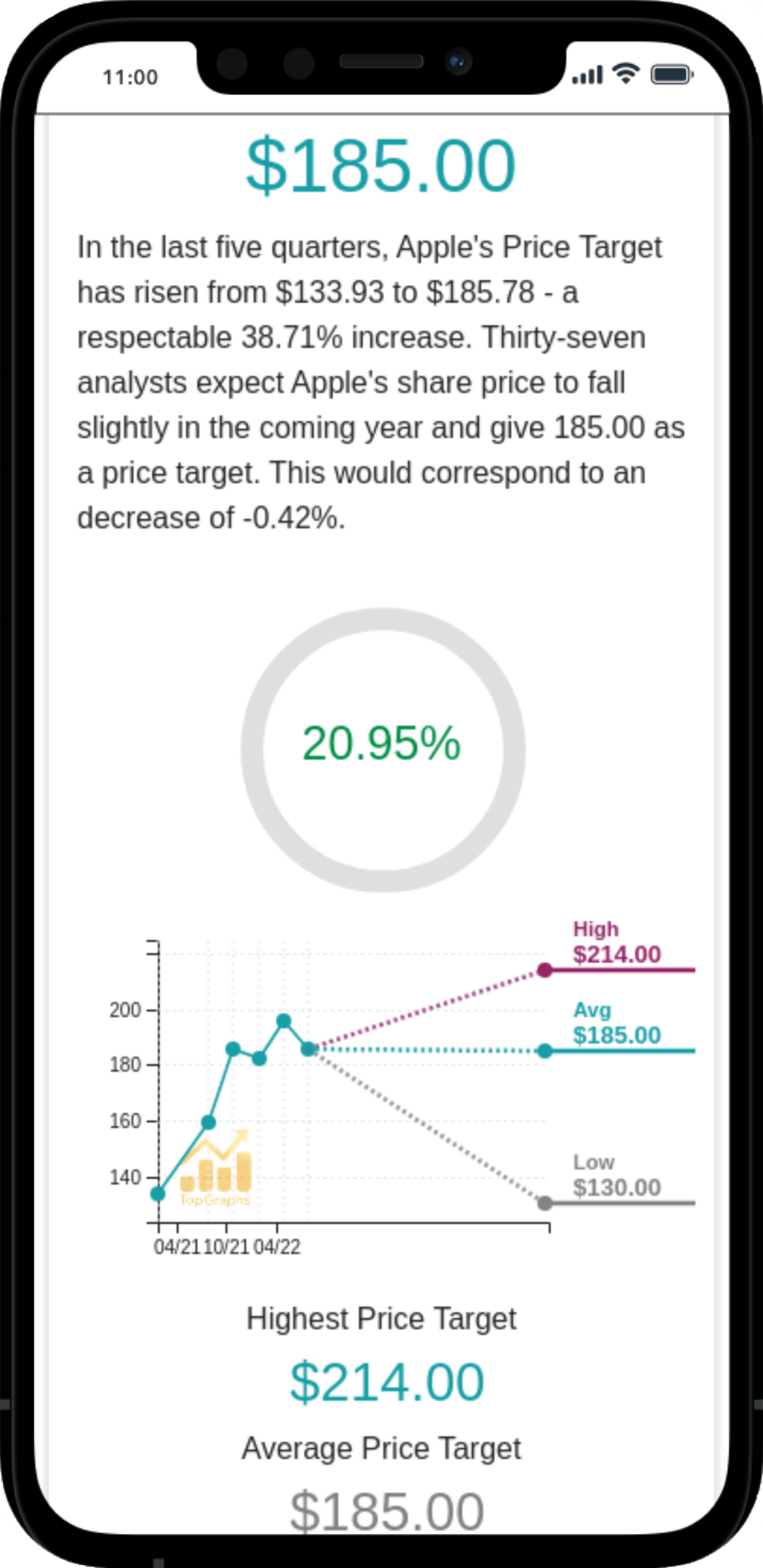
In the last five quarters, Tokyo Electric Power Company Holdings’s Price Target has fallen from ¥834,61 to ¥517,71 - a -37,97% decrease. Two analysts predict that Tokyo Electric Power Company Holdings’s share price will fall in the coming year, reaching ¥433,00. This would represent a decrease of -31,97%.
Top growth stocks in the utilities sector (5Y.)
Tokyo Electric Power Company Holdings Questions and Answers
Which sectors generate sales and which are the top 3 markets?
Revenue distribution by sectors:
Electricity generation and distribution: approx. 70%
Renewable energies: approx. 15%
Services and others: approx. 15%
TOP 3 markets and their percentage shares:
Japan: approx. 85%
USA: approx. 10%
Southeast Asia: approx. 5%
Tokyo Electric Power Company Holdings,...
At which locations are the company’s products manufactured?
Main production sites:
Nuclear power plants: Fukushima Daiichi, Fukushima Daini, Kashiwazaki-Kariwa
Hydropower plants: Numerous locations in Japan, including the Kurobe Dam
Thermal power plants: Locations such as Yokohama, Chiba, and Kawasaki
Tokyo Electric Power Company Holdings, Incorporated (TE...
What strategy does Tokyo Electric Power Company Holdings pursue for future growth?
Renewable Energy Investment: 50% of capital by 2030
Carbon Neutrality Goal: 2050
Tokyo Electric Power Company Holdings, Incorporated (TEPCO) is pursuing a strategy that focuses heavily on expanding renewable energies and decarbonization. The company plans to invest approximately half of its capita...
Which raw materials are imported and from which countries?
Main Imported Raw Materials: Liquefied natural gas (LNG), coal, uranium
Countries of Origin:
Liquefied Natural Gas (LNG): Australia, Qatar, Malaysia
Coal: Australia, Indonesia, Russia
Uranium: Canada, Kazakhstan, Australia
Tokyo Electric Power Company Holdings, Incorporated (TEPCO) mainly imports...
How strong is the company’s competitive advantage?
Market share in Japan: approximately 30% (2024)
Share of renewable energy: 20% of the portfolio (2024)
Investments in renewable energy: 1.5 billion USD (2024)
Tokyo Electric Power Company Holdings, Incorporated (TEPCO) is one of the largest energy providers in Japan and holds a significant market sh...
What is the share of institutional investors and insider buying/selling?
Institutional Investor Share: approximately 45% (2025, estimated)
Insider Purchases/Sales: No significant transactions in the last year (2025, estimated)
Tokyo Electric Power Company Holdings, Incorporated (TEPCO) has a significant share of institutional investors holding about 45% of the shares. Th...
What percentage market share does Tokyo Electric Power Company Holdings have?
Market share of Tokyo Electric Power Company Holdings (TEPCO): approximately 25% (2025, estimated)
Top competitors and their market shares:
Kansai Electric Power Co., Inc. - approximately 20%
Chubu Electric Power Co., Inc. - approximately 15%
Kyushu Electric Power Co., Inc. - approximately 12%
Toho...
Is Tokyo Electric Power Company Holdings stock currently a good investment?
Revenue Growth: 3.5% (2024)
Profit Growth: 2.1% (2024)
Investments in Renewable Energies: 1.2 billion USD (2024)
Tokyo Electric Power Company Holdings, Incorporated (TEPCO) has experienced moderate revenue and profit growth in recent years. The company is increasingly investing in renewable energies...
Does Tokyo Electric Power Company Holdings pay a dividend – and how reliable is the payout?
Dividend payment: No dividend (2025)
Tokyo Electric Power Company Holdings, Incorporated (TEPCO) has not paid any dividends in recent years. This is mainly due to the financial burdens and ongoing obligations related to dealing with the consequences of the Fukushima disaster.
The reliability of divi...