Lai Yih Footwear Stock Value


Lai Yih Footwear Company Info
EPS Growth 5Y
0,00%
Market Cap
NT$61,98 B
Long-Term Debt
NT$0,00 B
Annual earnings
03/06/2026
Dividend
NT$8,87
Dividend Yield
3,62%
Founded
1987
Industry
Country
Website
ISIN Number
Website
Analyst Price Target
NT$322,50
31.63%
Last Update: 01/16/2026
Analysts: 10
Highest Price Target NT$400,00
Average Price Target NT$322,50
Lowest Price Target NT$233,00
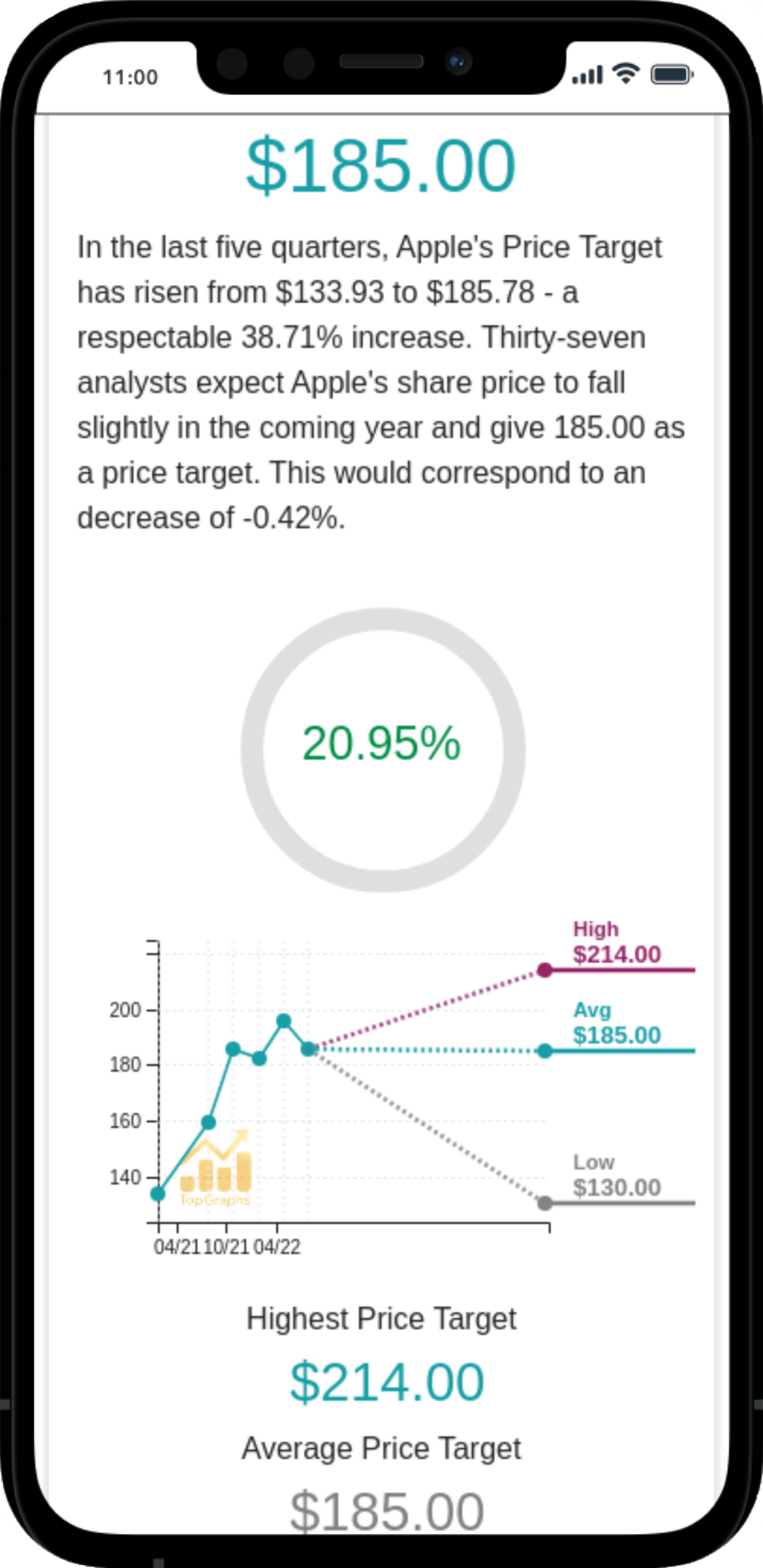
In the last five quarters, Lai Yih Footwear’s Price Target has fallen from NT$396,68 to NT$354,00 - a -10,76% decrease. Five analysts predict that Lai Yih Footwear’s share price will increase in the coming year, reaching NT$322,50. This would represent an increase of 31,63%.
Top growth stocks in the materials sector (5Y.)
Lai Yih Footwear Questions and Answers
Which sectors generate sales and which are the top 3 markets?
Industry Sales:
Sports clothing: 45%
Casual clothing: 30%
Specialized shoes (e.g. safety shoes): 25%
TOP 3 Markets:
USA: 40%
China: 25%
Europe: 20%
Lai Yih Footwear Co., Ltd. generates the majority of its sales from the sports clothing industry, driven by the increasing demand for sporty casual...
At which locations are the company’s products manufactured?
Production Sites: Taiwan, China, Vietnam (estimate based on industry standards 2023)
Lai Yih Footwear Co., Ltd. is known for having its production facilities in Asia. Typically, such production sites are located in countries like Taiwan, China, and Vietnam, which are known for their strong infrastru...
What strategy does Lai Yih Footwear pursue for future growth?
Revenue Growth: Estimated 8-10% annually (2026)
Lai Yih Footwear Co., Ltd. pursues a growth strategy based on several pillars. Firstly, the company focuses on expanding its product range, especially in the area of sustainable and environmentally friendly materials. This aligns with the increasing co...
Which raw materials are imported and from which countries?
Main raw materials: Leather, rubber, textiles
Main importing countries: Italy, Thailand, China
Lai Yih Footwear Co., Ltd. mainly imports leather, rubber, and textiles for the production of their shoe products. Italy is a significant supplier of high-quality leather used in shoe manufacturing. Rubber...
How strong is the company’s competitive advantage?
Market Share: Estimated 10% in the Asian market (2026)
EBITDA Margin: 18% (2025)
R&D Expenses: 5% of revenue (2025)
Lai Yih Footwear Co., Ltd. has established itself as a strong player in the Asian market in recent years, with an estimated market share of 10%. The company benefits from a solid E...
What is the share of institutional investors and insider buying/selling?
Institutional Investor Share: Estimated 35% (2026)
Insider Buys/Sells: No significant transactions reported (2026)
The institutional investor share in Lai Yih Footwear Co., Ltd. is estimated to be around 35%. This suggests that a significant portion of the shares are held by institutional investors,...
What percentage market share does Lai Yih Footwear have?
Market share of Lai Yih Footwear Co., Ltd.: 8% (2026, estimated)
Top competitors and their market shares:
Pou Chen Corporation: 20%
Yue Yuen Industrial Holdings: 18%
Stella International Holdings: 15%
Fulgent Sun International: 12%
Lai Yih Footwear Co., Ltd.: 8%
Kingmaker Footwear Holdings: 7%
Tung...
Is Lai Yih Footwear stock currently a good investment?
Revenue Growth: 8.5% (2025)
Profit Growth: 7.2% (2025)
Return on Equity (ROE): 14.8% (2025)
Lai Yih Footwear Co., Ltd. recorded solid revenue growth of 8.5% in 2025, indicating stable demand for their products. The 7.2% profit growth shows that the company is able to maintain its profitability despi...
Does Lai Yih Footwear pay a dividend – and how reliable is the payout?
Dividend Yield: 4.2% (2025)
Dividend History: Stable payout since 2020
Lai Yih Footwear Co., Ltd. pays a dividend that yielded 4.2% in 2025. The company has been consistently distributing dividends since 2020, indicating a reliable dividend policy.
The stability of the payout is supported by a sol...