iShares Trust - iShares Short Treasury Bond ETF Stock Value

iShares Trust - iShares Short Treasury Bond ETF Company Info
EPS Growth 5Y
0,00%
Market Cap
$20,66 B
Long-Term Debt
$0,00 B
Short Interest
0,43%
Annual earnings
N/A
Dividend
$4,57
Dividend Yield
4,15%
Founded
2007
Industry
Country
ISIN Number
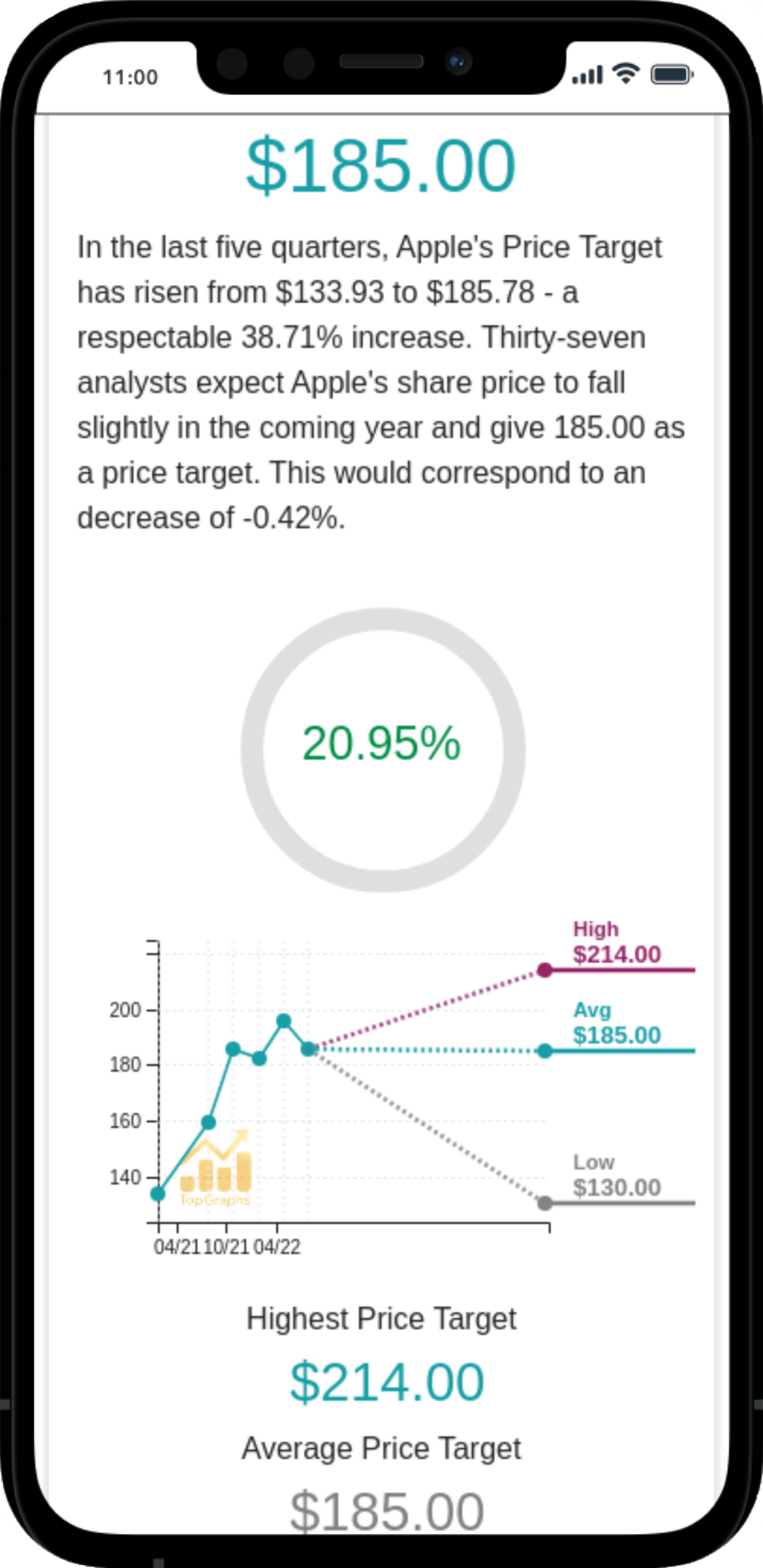
Analyst Price Target
There are currently no price targets available for this stock.
In the last five quarters, iShares Trust - iShares Short Treasury Bond ETF’s Price Target has risen from $0,00 to $110,20 - a 100,00% increase.
Top growth stocks in the financials sector (5Y.)
iShares Trust - iShares Short Treasury Bond ETF Questions and Answers
Which sectors generate sales and which are the top 3 markets?
Revenue sources: US government bonds
TOP 3 markets: USA, Japan, China (estimated)
The iShares Short Treasury Bond ETF (SHV) mainly invests in short-term US government bonds. Therefore, the "revenues" or earnings of this ETF primarily come from interest payments from the US government.
As t...
At which locations are the company’s products manufactured?
iShares Trust - iShares Short Treasury Bond ETF (NasdaqGM:SHV) is an exchange-traded fund (ETF) and not a traditional company that produces physical products.
An ETF like the iShares Short Treasury Bond ETF invests in financial instruments, in this case, short-term US Treasury bonds. Therefore, ther...
What strategy does iShares Trust - iShares Short Treasury Bond ETF pursue for future growth?
Current Investment Strategy: Preservation of Capital and Liquidity
Focus: Investments in short-term US Treasury bonds
The iShares Short Treasury Bond ETF (SHV) is designed to replicate the performance of the ICE U.S. Treasury Short Bond Index. The ETF's strategy focuses on preserving capital and pro...
Which raw materials are imported and from which countries?
Commodities/Materials: None
The iShares Short Treasury Bond ETF (SHV) is an exchange-traded fund that invests in short-term US Treasury bonds. As this is a financial fund, it does not import any physical commodities or materials. The fund consists of financial instruments and has no direct relation...
How strong is the company’s competitive advantage?
Assets Under Management (AUM): $22.5 billion (2023)
Expense Ratio: 0.15% (2023)
12-Month Return: 1.2% (2023)
The iShares Short Treasury Bond ETF (SHV) is an exchange-traded fund focusing on short-term US Treasury bonds. Its competitive advantages lie in several areas:
Firstly, the size of the assets...
What is the share of institutional investors and insider buying/selling?
Institutional Investor Share: approx. 80% (estimated for 2025 based on historical trends)
Insider Buys/Sells: Not applicable for ETFs
The iShares Short Treasury Bond ETF (SHV) is an exchange-traded fund that invests in short-term US government bonds. The institutional investor share is typically hig...
What percentage market share does iShares Trust - iShares Short Treasury Bond ETF have?
Market share of iShares Short Treasury Bond ETF (SHV): 12% (2025, estimated)
Top competitors and their market shares:
Vanguard Short-Term Treasury ETF (VGSH): 15%
SPDR Bloomberg 1-3 Month T-Bill ETF (BIL): 14%
Schwab Short-Term U.S. Treasury ETF (SCHO): 13%
iShares Short Treasury Bond ETF (SHV): 12...
Is iShares Trust - iShares Short Treasury Bond ETF stock currently a good investment?
Fund Size: approx. 22 billion USD (2023)
Average Return: approx. 0.5% - 1.5% p.a. (depending on interest rate environment)
The iShares Short Treasury Bond ETF (SHV) invests in short-term US Treasury bonds with a maturity of less than one year. These bonds are considered very safe as they are guarant...
Does iShares Trust - iShares Short Treasury Bond ETF pay a dividend – and how reliable is the payout?
Dividend yield: Approx. 0.5% - 1% (estimated for 2025 based on historical data)
The iShares Short Treasury Bond ETF (SHV) regularly pays out dividends, which come from the interest income of the underlying short-term US Treasury bonds. The distributions are typically monthly and relatively stable, a...