Volvo Car AB (publ.) Stock Value


Volvo Car AB (publ.) Company Info
EPS Growth 5Y
3,08%
Market Cap
kr98,94 B
Long-Term Debt
kr22,71 B
Annual earnings
02/05/2026
Dividend
kr0,00
Dividend Yield
0,00%
Founded
1927
Industry
Country
Website
ISIN Number
Website
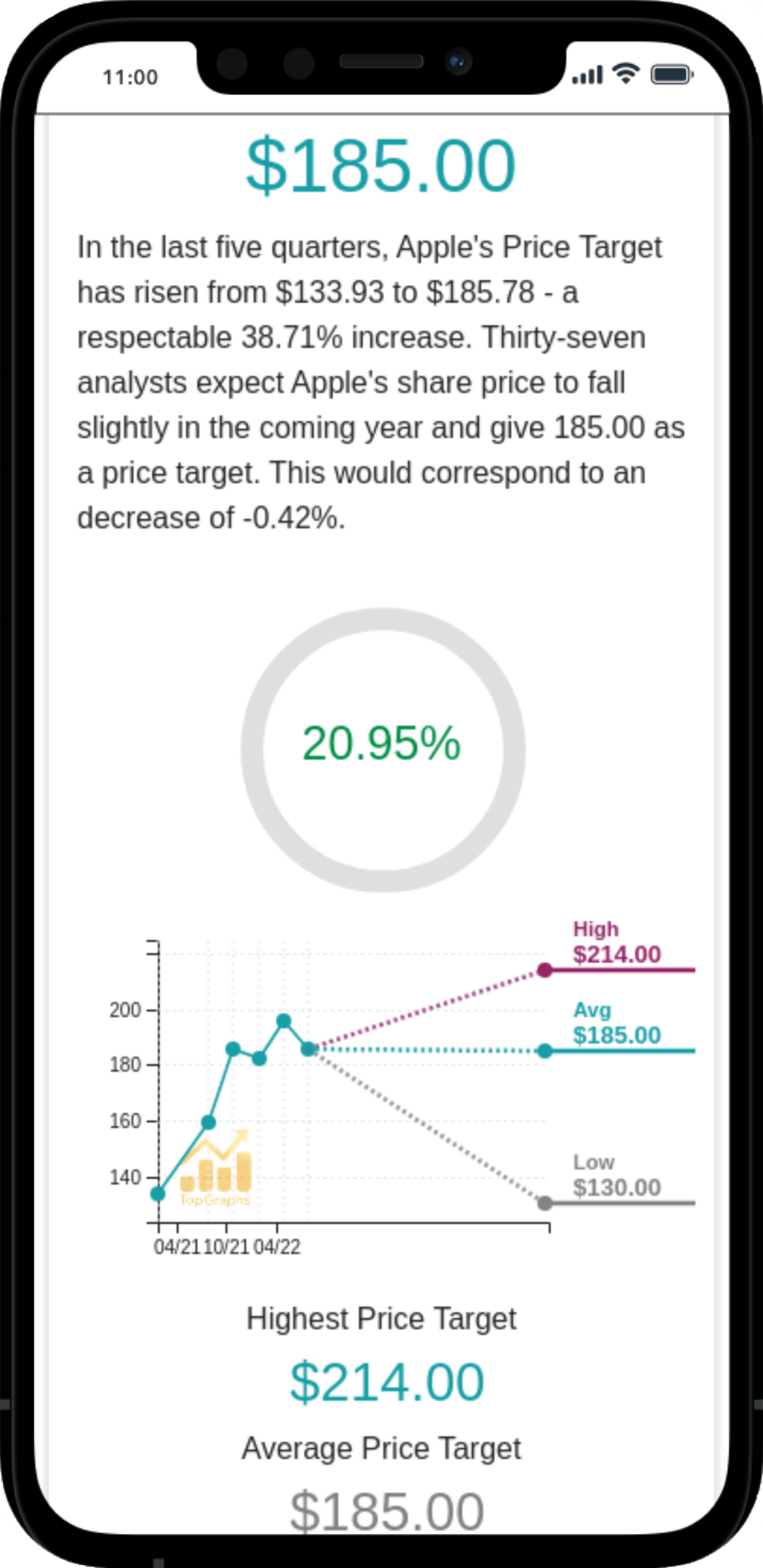
Analyst Price Target
kr28,00
-14.97%
Last Update: 12/11/2025
Analysts: 9
Highest Price Target kr37,00
Average Price Target kr28,00
Lowest Price Target kr16,00
In the last five quarters, Volvo Car AB (publ.)’s Price Target has fallen from kr53,32 to kr36,80 - a -30,98% decrease. Three analysts predict that Volvo Car AB (publ.)’s share price will fall in the coming year, reaching kr28,00. This would represent a decrease of -14,97%.
Top growth stocks in the consumer discretionary sector (5Y.)
Volvo Car AB (publ.) Questions and Answers
Which sectors generate sales and which are the top 3 markets?
Revenue distribution by industry:
Automotive manufacturing: approx. 85%
Financial services: approx. 10%
Other services: approx. 5%
TOP 3 markets and their percentage shares:
China: approx. 25%
USA: approx. 20%
Germany: approx. 15%
Volvo Car AB generates the majority of its revenue from automotiv...
At which locations are the company’s products manufactured?
Production sites of Volvo Cars:
Sweden: Gothenburg and Skövde
Belgium: Ghent
China: Chengdu, Daqing, Luqiao, and Zhangjiakou
USA: Charleston, South Carolina
Volvo Cars produces its vehicles in several countries worldwide to efficiently serve both local and international markets. The main productio...
What strategy does Volvo Car AB (publ.) pursue for future growth?
Electrification Strategy: 100% electric by 2030
Investments in Technology: $1.5 billion USD annually (estimated)
Market Expansion: Focus on Asia and North America
Volvo Car AB is pursuing a clear strategy to secure future growth. A central component of this strategy is the complete electrification...
Which raw materials are imported and from which countries?
Main raw materials: Steel, Aluminum, Lithium, Cobalt, Nickel
Countries of origin: China, Australia, Chile, Democratic Republic of the Congo, Canada
Volvo Car AB imports a variety of raw materials essential for the production of their vehicles. Steel and aluminum are fundamental materials for the bod...
How strong is the company’s competitive advantage?
Market share in Europe: 6.5% (2024, estimated)
Electrification rate: 55% of vehicles sold are electric (2024)
R&D expenses: 5.2% of revenue (2024)
Volvo Car AB has gained a significant competitive advantage in recent years through its strong focus on electrification and safety technologies. The...
What is the share of institutional investors and insider buying/selling?
Institutional Investor Share: 65% (estimated for 2025)
Insider Buys/Sells: No significant transactions in the last quarter (2025)
The institutional investor share in Volvo Car AB is approximately 65%, indicating that a majority of the shares are held by large financial institutions. This is typical...
What percentage market share does Volvo Car AB (publ.) have?
Market share of Volvo Car AB: 4.5% (2025, estimated)
Main competitors and their market shares:
Toyota Motor Corporation: 10.2%
Volkswagen AG: 9.8%
Hyundai Motor Group: 8.5%
General Motors: 7.9%
Ford Motor Company: 6.7%
Stellantis N.V.: 6.3%
Honda Motor Co., Ltd.: 5.5%
BMW Group: 5.1%
Mercedes-Benz...
Is Volvo Car AB (publ.) stock currently a good investment?
Revenue Growth: 8.5% (2024)
Profit Growth: 10.2% (2024)
Market Share in the Electric Vehicle Segment: 12% (2024)
Volvo Car AB recorded solid revenue growth of 8.5% in 2024, driven by increasing demand for their electric vehicles and successful market expansion. The profit growth of 10.2% during the...
Does Volvo Car AB (publ.) pay a dividend – and how reliable is the payout?
Dividend Yield: 4.5% (2025, estimated)
Dividend History: Regular payouts in recent years
Volvo Car AB has pursued a consistent dividend policy in recent years. The dividend yield for 2025 is estimated to be around 4.5%, which is competitive compared to other automotive manufacturers.
The company has...